

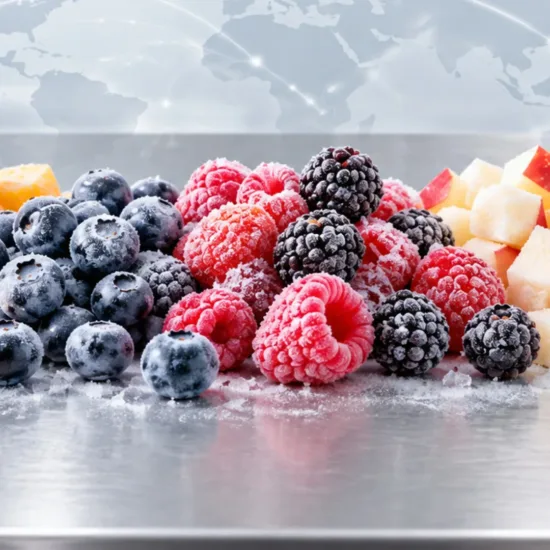
For manufacturers, processors, distributors, and foodservice buyers, dependable IQF fruit supply starts with a sourcing program that can adapt. Relying on one growing region or harvest window can leave procurement teams exposed when crop conditions, availability, or shipment timing changes. Diversifying supply across suitable origins creates more options for meeting production needs and planning future volume.
At SunLeaf Foods, we help buyers build flexible IQF fruit programs through global sourcing, harvest-based planning, and responsive communication. Our approach connects ingredient requirements with sourcing opportunities, helping customers prepare for changing conditions while keeping their operational priorities in view.
Why Diversify Your IQF Fruit Supply Chain?
Supply chain diversification means evaluating more than one qualified sourcing option for an ingredient. For IQF fruit buyers, that can include different growing regions, complementary harvest windows, and primary and secondary supply programs.
The value is flexibility. When a single origin becomes constrained, a buyer with qualified alternatives has more options to evaluate. When demand grows, a broader sourcing plan can help identify opportunities to support additional volume. When harvest timing shifts, procurement teams can review how other regions fit their purchasing schedule.
Diversification works best when alternatives are considered before they are urgently needed. That gives buyers time to assess specifications, review samples where appropriate, and understand the requirements of each potential supply option. It also gives internal teams time to coordinate approvals, testing, and purchasing expectations before committing volume.
Align Fruit Procurement With Global Harvest Windows
Frozen fruit purchasing decisions should account for both the production calendar and the agricultural calendar. Knowing when your business needs ingredients is essential. Understanding when those ingredients are harvested adds another layer of planning visibility.
Harvest-based sourcing helps procurement teams connect demand forecasts with upcoming crop opportunities. Rather than waiting until inventory runs low, buyers can begin conversations around expected volume, required delivery timing, and product specifications ahead of the relevant harvest.
For example, a processor planning a seasonal fruit product can discuss its anticipated needs before finalizing production schedules. A distributor anticipating customer growth can review potential sourcing options earlier. These conversations give suppliers a clearer picture of demand and buyers a better foundation for evaluating availability.
Explore Southern Hemisphere Cane Fruit Sourcing
Southern Hemisphere cane fruit supply can be part of a diversified global IQF fruit strategy. Cane fruits, including raspberries and blackberries, are relevant to applications such as bakery fillings, fruit preparations, desserts, and beverages.
Because seasons differ between hemispheres, Southern Hemisphere sourcing can introduce additional harvest windows for procurement teams to consider. The opportunity depends on the fruit, growing region, crop conditions, and customer requirements.
For buyers reviewing cane fruit needs, the next step is to discuss the application and sourcing priorities with SunLeaf. Evaluating these opportunities alongside other growing regions can help establish a more flexible program for future demand. Availability, specifications, and delivery timing should be confirmed for each proposed option.
Keep Specifications Central to Every Sourcing Decision
Adding origins should support the finished product your business needs to deliver. An alternative source only adds value when its ingredient characteristics fit the intended application.
Procurement and product development teams should align on requirements such as fruit type, piece size, whole or cut format, packaging, and quality expectations. Manufacturers may also need to evaluate how an ingredient performs in an existing formulation or processing environment.
SunLeaf supports sourcing conversations around consistent specifications, volume forecasts, and supply continuity. Establishing clear requirements early helps buyers evaluate potential alternatives more effectively and keeps purchasing decisions connected to production needs.
Use Communication to Stay Responsive
A flexible supply program also depends on timely conversations. As market conditions change, buyers need opportunities to review sourcing options and discuss how developments could affect their plans.
Sharing updated forecasts, anticipated promotions, and changes in production demand helps keep those conversations productive. Buyers should also identify delivery priorities and which requirements allow flexibility. Clear communication gives both teams a practical basis for reviewing options as new information becomes available.
Plan Your Next IQF Fruit Program With SunLeaf
A stronger IQF fruit supply chain has more than one path forward. Global sourcing, complementary harvest windows, and clearly defined specifications can help procurement teams build programs with greater flexibility.
Looking ahead at IQF fruit volume? Contact SunLeaf Foods to discuss Southern Hemisphere cane fruit sourcing, diversified growing regions, and harvest-based planning around your business needs. Start the conversation early so your team can evaluate options before purchasing decisions become urgent.